 |
Zbirka potpuno korak po korak riješenih zadataka za prvi razred srednje škole Priručnik za samostalno učenje MATEMATIKA-1- Za one koji ne znaju kako otvoriti zadatke: dvoklik na plave dijelove teksta i trebali bi se otvoriti potpuno riješeni zadaci u PDF formatu ... dakle trebate neki PDF preglednik za to ... prijedlog Adobe Reader ... |
 |

-  |
|
||||||||||||||||||||||||||
Vanilla Shemale Pics Exclusive TodayLeo made his way to the bar, where Jax, a non-binary bartender with tattoos of wildflowers trailing up their arms, slid him a drink without needing to be asked. "Big night?" Jax shouted over the music. To be LGBTQ in 2026 is to understand that the pride flag’s colors represent a spectrum, and that spectrum includes trans bodies, trans love, and trans joy. The history of the riot is the history of the trans woman of color. The future of the family is the future of the non-binary parent. vanilla shemale pics exclusive Pride Month is the most visible celebration of LGBTQ+ culture globally. Within this framework, the transgender community has established its own markers of visibility. The Transgender Pride Flag—designed by trans woman Monica Helms in 1999, featuring light blue, pink, and white stripes—is now flown worldwide. Additionally, events like the Trans March and the Transgender Day of Visibility (March 31) highlight the specific joys and ongoing battles of the trans community outside of traditional June celebrations. Ongoing Battles for Equity and Survival Leo made his way to the bar, where Despite significant cultural visibility, the transgender community faces distinct systemic hurdles that often require focused activism within and outside the broader LGBTQ+ movement. The history of the riot is the history One of the most radical acts of the modern transgender movement is the refusal to be defined by suffering. TikTok and Instagram are filled with trans people doing mundane things: making coffee, cracking jokes, falling in love, and getting ready for prom. This "joyful visibility" is a direct counter to the political narrative of trans people as victims or threats. It says: We are here. We are your neighbors. And we are not going anywhere. For many gay and lesbian individuals, the 2010s brought marriage equality. For the trans community, the existential fight remains access to (hormones, surgery, mental health support) and safety . While a gay person might face discrimination in a bakery, a trans person faces an epidemic of violence: 2022 and 2023 saw record-breaking numbers of fatal violence against trans people, disproportionately Black trans women. For decades, bar raids and police harassment were a daily reality for queer and trans individuals. The turning point came in the late 1960s. At the Compton’s Cafeteria Riot in San Francisco (1966) and the Stonewall Riots in New York City (1969), transgender women of color, drag queens, and gender-nonconforming youth stood at the front lines. They fought back against state-sanctioned violence, transforming a underground community into a political movement. Key Pioneers |
|||||||||||||||||||||||||||
| Â |
|
||||||||||||||||||||||||||
|  | - POTPUNO RIJEŠENI ZADACI po školskoj zbirci - MAT-1 - Algebarski izrazi i razlomci ( dostupno samo do 10.03. ) - POTPUNO RIJEŠENI ZADACI po školskoj zbirci --MAT-1 - Jednadžbe, nejednadžbe apsolutne jedn. i nejedn ... |
||||||||||||||||||||||||||
| Â | Tomislav je zatražio da rješim zadatak >>> i tu je rješen | ||||||||||||||||||||||||||
|  | - POTPUNO RIJEŠENI ZADACI po školskoj zbirci - MAT-1 - Algebarski izrazi i razlomci -- INCICIJALNI TEST ili inicijalni ispit znanja za 1. srednje NOVO - 16.02.2011. |
||||||||||||||||||||||||||
| Â |
|
||||||||||||||||||||||||||
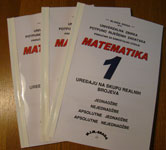


Autor zadataka: Mladen Sraga
Autor kompletnih rješenja i uputa: Mladen Sraga
NIKAKVA KOMERCIJALNA UPOTREBA OVIH ZADATAKA NIJE DOZVOLJENA BEZ PISMENA DOZVOLE AUTORA !!!!!
Ako ne znate riješiti neki zadatak iz školskih zbirki ili s prijemnog ispita, pošaljite nam ga mailm na na
i mi ćemo Vam ga riješiti - potpuno besplatno.
Zadatak ćemo riješiti ako napišete točan naziv zbirke i
redni broj zadatka, tekst zadatka možete, a i ne morate napisati.
-